The Lathe: Introduction to Fine Machinery

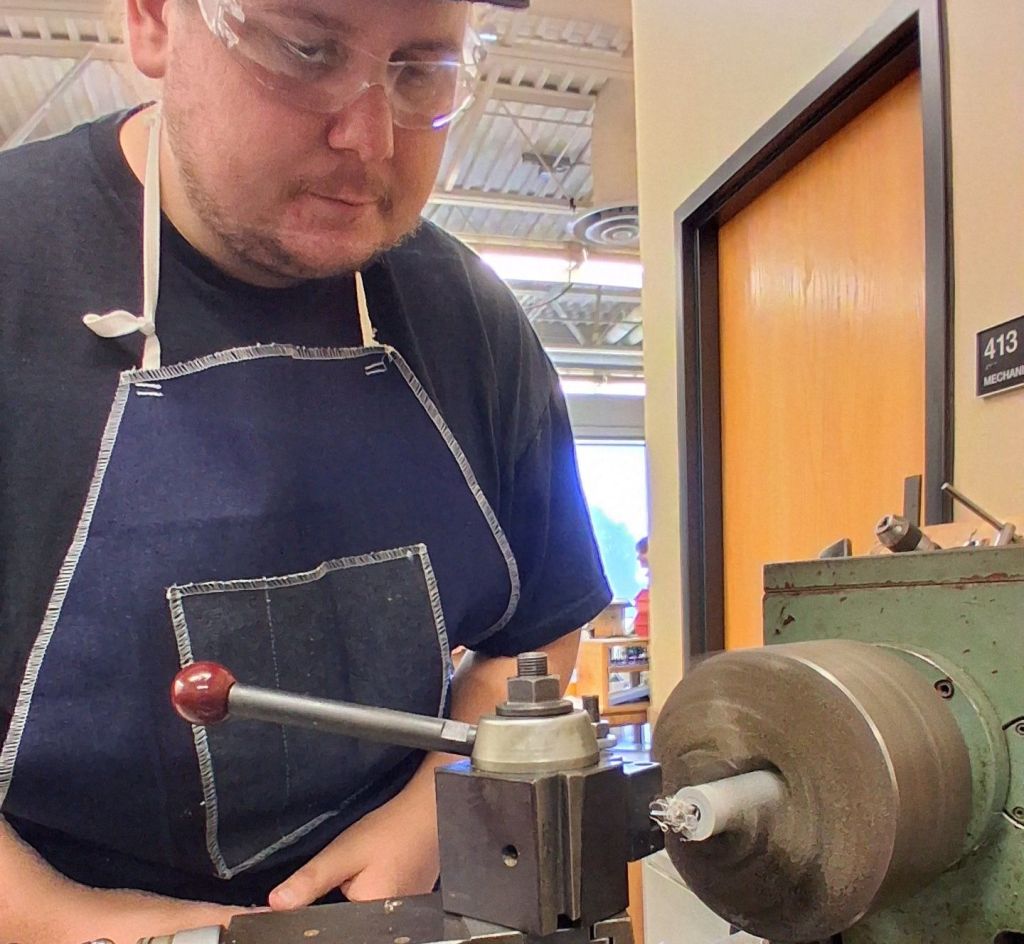
The metal lathe is another extremely valuable piece of heavy machinery in our industry. In the band instrument repair world, we are always creating bits & pieces. Whether it’s a new tool or a hinge rod, or even screws, we can be expected to make & modify throughout our entire career (although, you should be able to make hinge rods & screws at the bench motor.).

Lathes can vary in sizes, but either require the same level of expertise. We should be quite familiar with all the hardware in our shops, no matter now new or old. Some of the lathes in our common shop at the college are over 30 years old & still run like it’s 1995!
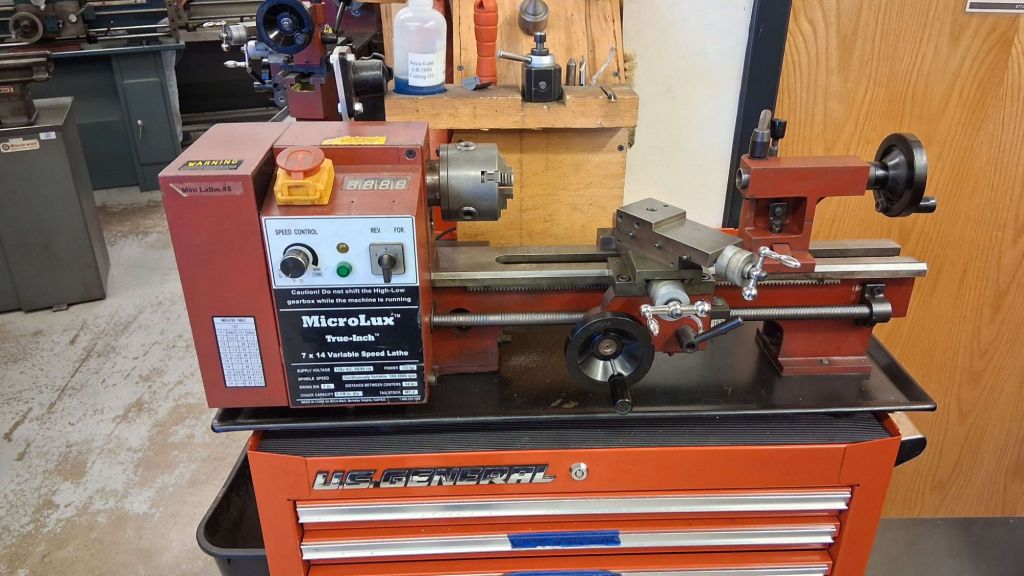
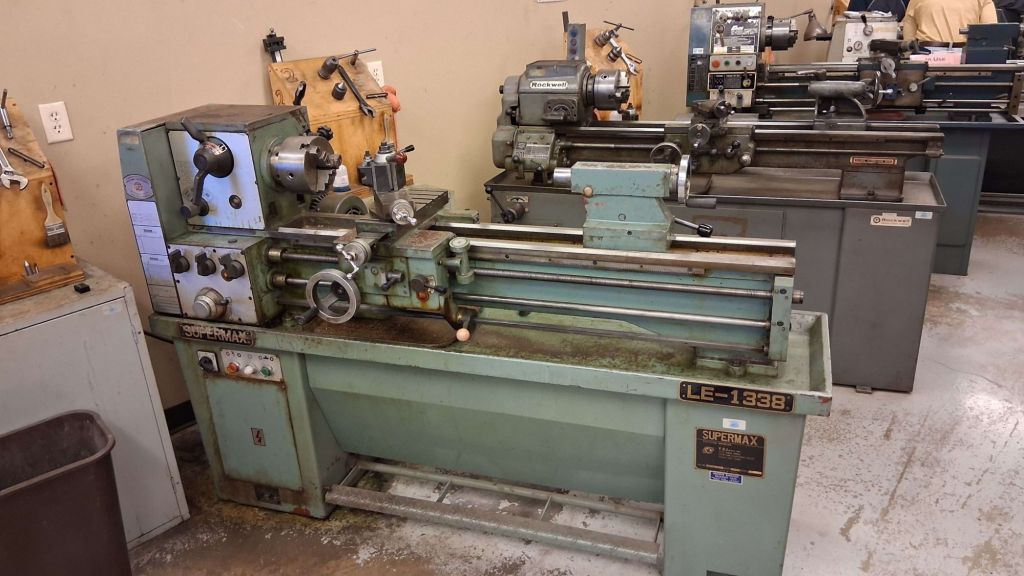
It is important to be mindful of your expectations from employers, as not every shop has a lathe or the funds/space necessary to procure such a device. In addition, there is a lot of care & maintenence that goes into a lathe (especially the large free-standing ones), & I bet the techs are the ones that maintain their gear. I have yet to be assigned a project that couldn’t be done on either size lathe.

Beginning Lathe Operations
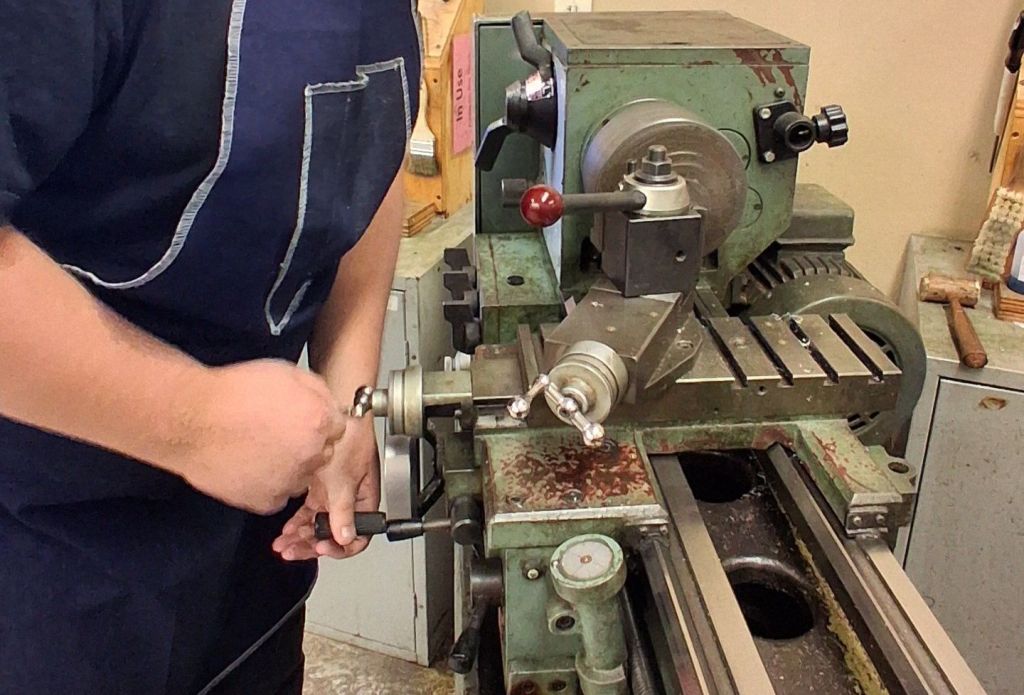
There comes some new terms with the lathe, as well as formulas for various speeds with consideration for materials. Not all lathes are built the same, & each should be respected as a piece of heavy machinery. Safety should always be practiced, so ensure you aren’t leaning on the lathe or have long hair or clothes draping over your workstation.

Next time, we will be discussing safety in the workshop in a more specific sense. From following standard operating procedures (S.O.P.) to understanding safety data sheets (S.D.S.), there is plenty of information regarding this topic.
Patchwork: An Exercise in Consistency & Patience

Brass work can take many different shapes & forms. What are we to do if dent work causes the material to be worn thin enough to puncture? So far it’s been easy with porting & learning to solder, but today we finally get into basic metal shaping!

Band instrument repair is not one skill, but rather a collection of many skills to improve on & development over the course of your career. No matter what may be wrong with a project, how much or how little work must be done, it is imperative we continue to do our best work every time.

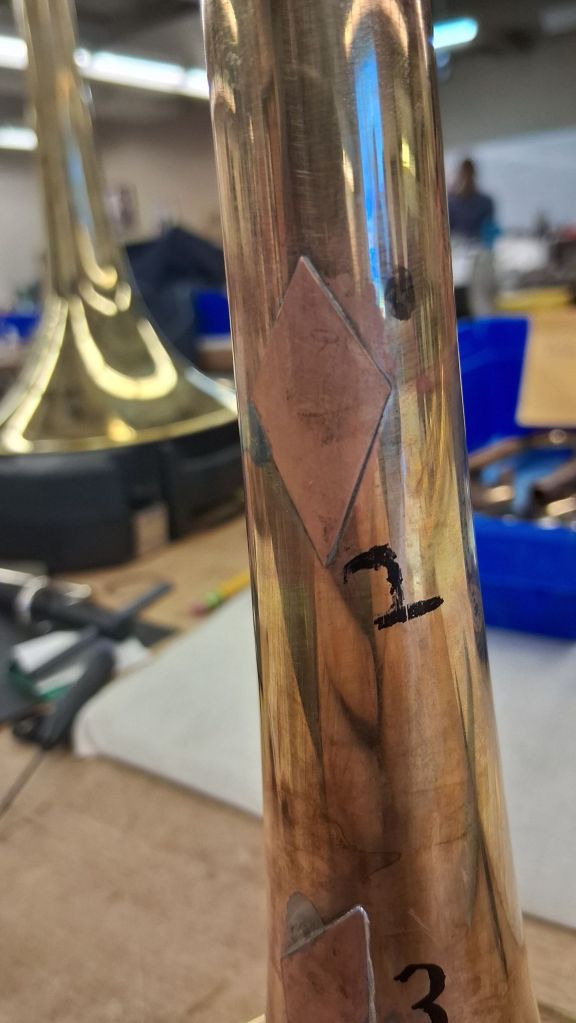
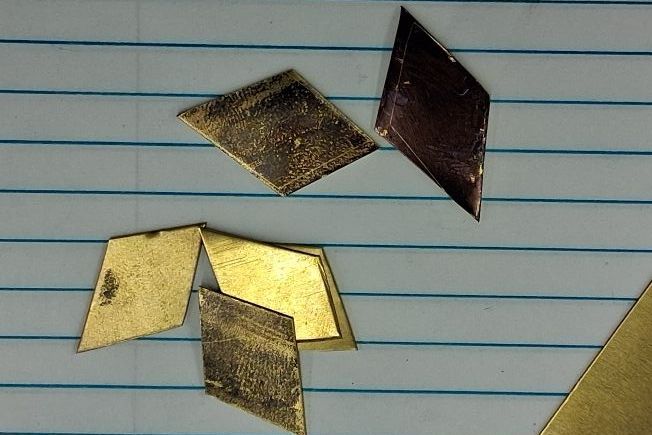
Personally, I feel like patchwork is what separates the repair technicians from hobbyists. There is so much that goes into a patch, certainly more than I had initially been led to believe. Patches have to be symmetrical on all four sides, so they should resemble a rhombus more than a kite.

Various examples of miscut patches

When I began this project, I was NOT good at creating patches. I went through an entire business card just trying to get the template perfect. If the template is off, then every patch I trace & draw will be off.

You can use masking tape to hold the brass patch in place. This is especially useful for when you don’t want to bash your fingertips repeatedly!

Secure with a solder clip & ensure the part is flush

They say you’re either good at soldering or good at clean-up! Above all else, try your absolute best not to get solder on the top of the patch! That will be hard (not impossible) to touch buff. I had to do that on some of my practice patches.

Remember good heat control, flux, & not too much solder!

Patchwork serves as a good introduction to shaping brass. We will be getting to dent work soon & that post will include a lot of information, including shimming!

Be careful not to blend the patch & instrument

Introduction – Meet the Tech

Brasswind Repair Lab – August 2025

Welcome to “DM Repair,” the working title for this current operation! My name is Dylan M, & by doing this blog, I am hopeful for three outcomes:

  • Inspire the next generation of band instrument repair technicians.
  • Demonstrate my experience for potential employers.
  • Properly catalog my journey in a digestible way.

I officially started my journey as a repair technician when I began shadowing the band Instrument repair (BIR) techs at my college town’s local music shop. I fell in love with the work they do & made it my new mission. Plus, with the repair degree, I can still teach lessons & help out directors, so in a way, I am right where I belong!

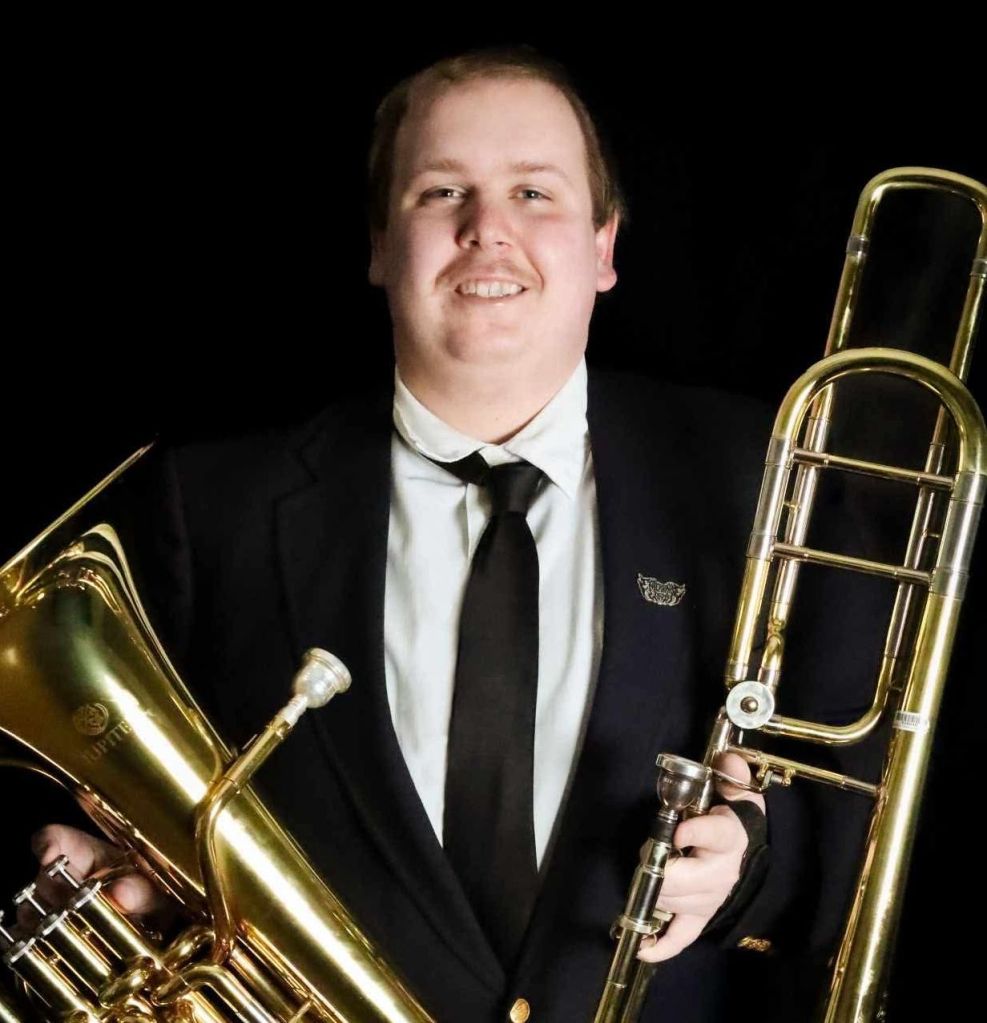
Professional Headshot (Cr: Demi Kaydon – Design & Photography)

I thought long & hard of how I wanted this blog to be. I couldn’t decide on whether or not to make this blog:

  • A daily upkeep, detailing my progress on the micro- level. This would lead to some potentially light updates.
  • A monthly upkeep, focusing on complete projects, aiming for 3-4 posts a month (or roughly 1/week).

I decided to focus on the latter for this project. If I were to post every day, I can’t guarantee that it would stay on the topic of “BIR Chronicle” (which is the point.). I think the occasional hobby post here & there will be fine, but I do not want it to stray from this vision.

Me (left) on vacation in Gatlinburg, TN, June 2025

So a little about me! I made this initial post quite long with the intention of “hitting the ground running,” as they say. To detail my music background & overall playing experience:

  • I started playing trumpet in the 5th grade. I had to make the switch to euphonium in 7th grade, due to having dental braces at the time. My director, Mr. Bishop, thought this switch would be better for me in the long run & we decided that I would stay on the euphonium.
  • At the university level, I marched the marching baritone for all four years of enrollment. I became the section leader for year three & year four. If I spent another year in the marching band, I would have stepped down as section leader to march sousaphone (they seem to have the most fun at games).
  • Beginning year three, I began taking lessons on the bass trombone as well. While (at the time of writing) I think I enjoy playing the trombone more, I would still call the euphonium my primary. In case you were curious: I played on a Bach Stratavarius 42BO, which means I played on a single-trigger bass trombone.
  • While playing on the Bach 42BO, I also had one year in the jazz band (my 4th & final year at Saginaw Valley) as the trombone section leader. It was a lot of fun, but I would not recommend most musicians to read first part on jazz charts with a bass trombone. I have zero regrets, but now I know what I do & don’t like! (I played it all as written, to my credit.)

If I decide to make another personal or hobby post, I will either tag it as such or post it on a different linked blog.

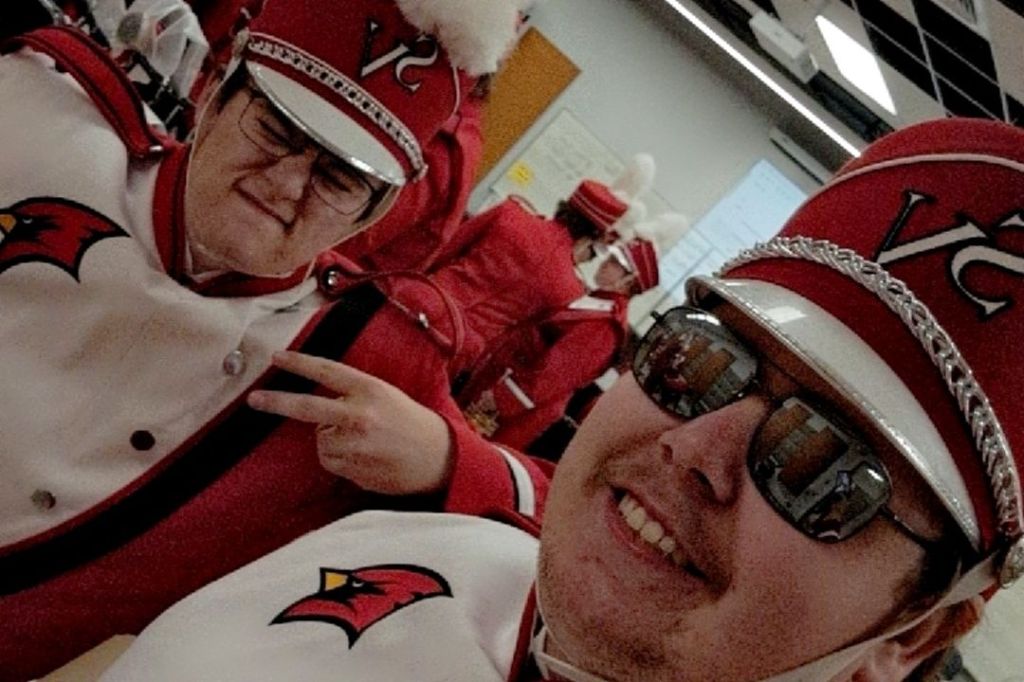
SVSU Band Day pre-game 2023 ft. James Rod.

Next post will be showcasing a few of the tools they had us make the first few weeks; starting with the poker, porting tool, water key installer, & more! Don’t forget to subscribe for the updates (it’s free!).